Trezor Login Guide: Secure Access to Your Cryptocurrency Wallet
Cryptocurrency security has become one of the most important topics in the digital finance space. As hackers grow more sophisticated and online threats increase, users need reliable ways to protect their digital assets. This is why hardware wallets like Trezor have become the preferred choice for serious crypto holders. Understanding the Trezor login process is essential to safely access and manage your cryptocurrency without exposing your private keys to the internet.
This in-depth guide explains what Trezor login is, how it works, how to access your wallet securely, common login issues, safety tips, and why Trezor stands out from traditional wallet login systems.
What Is Trezor and Why Is It Trusted?
Trezor is a hardware cryptocurrency wallet created by SatoshiLabs. It stores your private keys offline in a physical device, keeping them isolated from malware, phishing attacks, and online vulnerabilities. Unlike online wallets or mobile apps, Trezor gives users full control over their funds without relying on third-party servers.
Trezor wallets support hundreds of cryptocurrencies, including Bitcoin, Ethereum, Solana, Litecoin, Cardano, and many tokens across multiple blockchain networks.
What Does “Trezor Login” Actually Mean?
The term Trezor login can be misleading because Trezor does not use usernames, passwords, or online accounts. Instead, login refers to the secure process of accessing your wallet using the physical Trezor device.
There is:
No email registration
No stored passwords
No cloud-based account
Access is granted only when the physical device is connected and verified.
How the Trezor Login System Works
Trezor uses a device-based authentication model, which means access depends on three key elements:
1. Physical Wallet Verification
You must physically connect your Trezor device to your computer or mobile device.
2. PIN Code Authentication
A PIN protects your wallet if the device is stolen. The PIN entry system is randomized to block keyloggers.
3. Optional Passphrase Protection
Advanced users can add a passphrase that creates additional hidden wallets.
This design ensures your private keys never leave the device.
Step-by-Step Trezor Login Instructions
Step 1: Connect the Trezor Device
Use the original USB cable to connect your Trezor Model One or Model T to your computer or phone.
Step 2: Open Trezor Suite
Launch the official Trezor Suite application. This is the main interface for managing your wallet.
Step 3: Detect and Verify Device
Trezor Suite will automatically recognize your hardware wallet and confirm it is authentic.
Step 4: Enter Your PIN
A PIN matrix appears on your computer screen, while the actual numbers are shown on the Trezor device. This prevents spyware attacks.
Step 5: Enter Passphrase (If Enabled)
If you enabled passphrase protection, you will be prompted to enter it. Each passphrase opens a unique wallet.
Step 6: Wallet Access Granted
Once verified, you can view balances, send or receive funds, and manage assets securely.
What Is Trezor Suite?
Trezor Suite is the official software interface that allows users to interact with their hardware wallet. It provides a clean dashboard with advanced security features.
With Trezor Suite, users can:
View cryptocurrency balances
Send and receive assets
Exchange cryptocurrencies
Track portfolio performance
Manage network fees
Update device firmware
The login process is seamlessly integrated into this platform.
Why Trezor Login Is Safer Than Traditional Wallet Logins
Most online wallets depend on passwords, emails, and cloud storage, which can be compromised. Trezor eliminates these weaknesses by:
Keeping private keys offline
Requiring physical confirmation for every action
Avoiding centralized servers
Blocking remote login attempts
This makes Trezor nearly immune to phishing, hacking, and data breaches.
Common Trezor Login Problems and Fixes
Trezor Device Not Recognized
Change the USB cable or port
Restart Trezor Suite
Use a supported browser or desktop app
Incorrect PIN Error
Multiple wrong attempts cause time delays
Reset the device only if you have your recovery seed
Forgot PIN
Reset the device
Restore your wallet using the recovery seed phrase
Passphrase Mistakes
Passphrases are case-sensitive
Losing a passphrase permanently locks that wallet
Recovery Seed and Its Role in Login
During setup, Trezor generates a recovery seed phrase (12–24 words). This is the master key to your wallet.
If your device is lost or damaged:
Buy a new Trezor
Restore the wallet using the recovery seed
Regain access to all funds
Never store your recovery seed digitally or enter it on websites.
Best Security Practices for Trezor Login
Always use the official Trezor Suite
Never share your recovery seed
Store your seed offline in a secure place
Enable passphrase protection for high-value wallets
Keep firmware updated
Avoid public or compromised computers
Trezor Login on Desktop vs Mobile
Desktop Login
Full feature access
Highest stability
Recommended for most users
Mobile Login
Limited support
Android compatibility
Same security principles apply
Regardless of platform, the hardware wallet remains the security anchor.
Trezor Login vs Software Wallet Login
FeatureTrezor LoginSoftware WalletPrivate Key StorageOfflineOnlinePassword RequiredNoYesPhysical Device NeededYesNoSecurity LevelVery HighMediumPhishing RiskExtremely LowHigh
This comparison highlights why Trezor is preferred for long-term storage.
How Trezor Protects Against Phishing Attacks
Phishing scams often create fake login pages asking users for recovery seeds. Trezor protects users by:
Never requiring seed entry during normal login
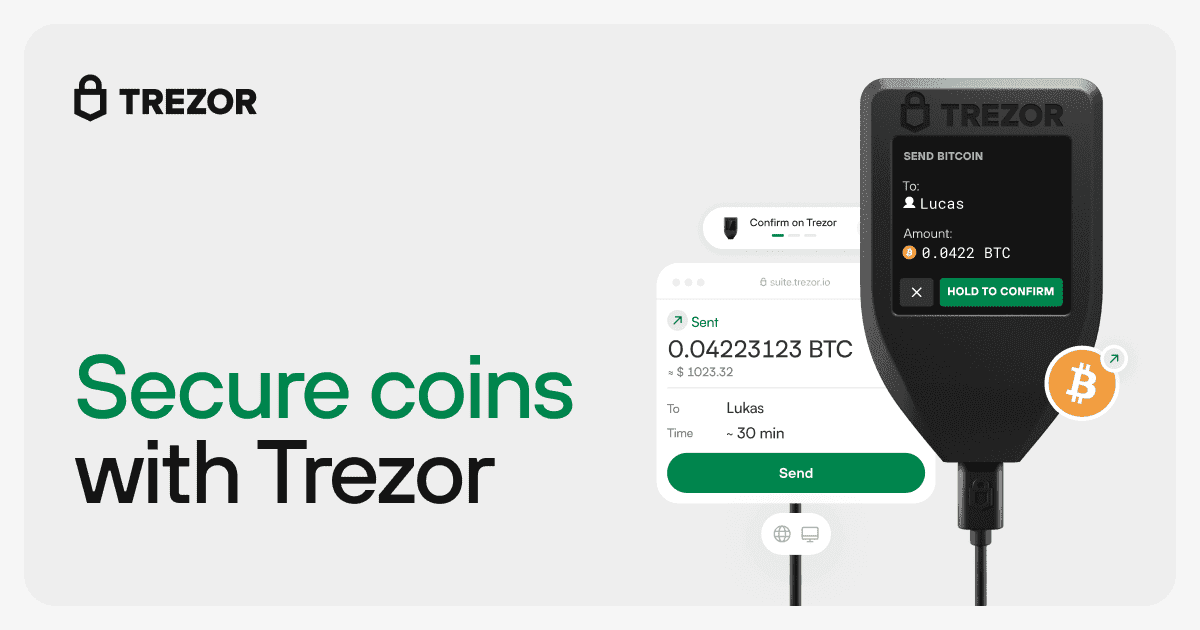
Displaying transaction details on the device screen
Requiring physical confirmation for every action
If a website asks for your seed, it is a scam.
Firmware Updates and Login Safety
Firmware updates improve wallet security and compatibility. During updates:
Confirm actions on the device
Never disconnect the device mid-update
Funds remain safe when instructions are followed
Keeping firmware updated ensures your login process stays protected.
Is Trezor Login Beginner-Friendly?
Yes. Despite its advanced security, Trezor is designed for ease of use. Clear instructions, visual confirmation, and guided steps make it accessible even for first-time crypto users.
Who Should Use Trezor Login?
Trezor is ideal for:
Long-term crypto investors
Users holding large balances
Privacy-focused individuals
Traders managing multiple assets
Anyone who values security over convenience
Final Conclusion: Why Trezor Login Matters
The Trezor login process represents a fundamental shift in how cryptocurrency security should work. Instead of trusting centralized systems and online credentials, Trezor places control directly in the user’s hands through hardware-based authentication.
By combining offline key storage, physical verification, PIN protection, optional passphrases, and recovery seed backups, Trezor delivers one of the most secure login experiences in the crypto industry.