Trezor Login Explained: A Secure Way to Access and Protect Your Crypto Assets
As cryptocurrency continues to grow in popularity, the need for strong security has never been greater. Millions of users worldwide rely on digital wallets to store and manage their crypto, yet online threats such as phishing, malware, and hacking remain constant risks. To address these challenges, hardware wallets like Trezor offer a powerful solution. The Trezor login process is designed to give users full control over their funds while keeping private keys completely offline.
This guide provides a detailed explanation of Trezor login, how it works, how to access your wallet safely, potential problems you may face, and best practices to maintain long-term security.
Introduction to Trezor Wallets
Trezor is one of the first and most trusted hardware wallet brands in the cryptocurrency ecosystem. Developed by SatoshiLabs, Trezor wallets allow users to securely store private keys on a physical device instead of an internet-connected system.
Unlike online wallets, which depend on passwords and servers, Trezor offers a self-custody model. This means only you control your funds—no third party, exchange, or platform has access to your assets.
What Is Meant by Trezor Login?
The phrase “Trezor login” does not refer to a traditional login system. There is no account registration, no email address, and no online password involved. Instead, Trezor login is the process of unlocking your wallet through the physical hardware device.
Access is granted only when:
The Trezor device is connected
The correct PIN is entered
Any optional passphrase is provided
This method ensures that unauthorized users cannot access your wallet remotely.
How Trezor Login Differs from Traditional Logins
Traditional logins rely on credentials stored online. These credentials can be leaked, stolen, or compromised. Trezor takes a different approach:
No centralized login servers
No password databases
No cloud-based recovery
All authentication happens locally between your device and your Trezor wallet, making remote attacks virtually impossible.
Core Security Elements of Trezor Login
Physical Device Requirement
You must physically possess the Trezor wallet to log in. Without the device, access is impossible.
PIN Code Protection
A PIN prevents access if the device is stolen. Each incorrect attempt increases the delay, discouraging brute-force attacks.
Passphrase Security (Optional)
A passphrase adds another layer of protection by creating hidden wallets. Each passphrase opens a unique wallet linked to the same recovery seed.
Offline Private Keys
Private keys never leave the device, even when connected to a computer.
Step-by-Step Guide to Logging into Trezor
Step 1: Connect Your Device
Connect your Trezor wallet to your computer or supported mobile device using a USB cable.
Step 2: Launch Trezor Suite
Open the official Trezor Suite application, which acts as the control center for your wallet.
Step 3: Device Recognition
The software automatically detects your device and verifies its authenticity.
Step 4: Enter PIN Securely
A randomized keypad appears on your screen. The actual number layout is displayed only on the Trezor device.
Step 5: Enter Passphrase (If Enabled)
If passphrase protection is enabled, you must enter it exactly. Each passphrase leads to a different wallet.
Step 6: Access Wallet Dashboard
Once verified, you can manage balances, send transactions, and interact with supported blockchains.
What Is Trezor Suite and Why It Matters
Trezor Suite is the official interface used to interact with your hardware wallet. It combines ease of use with strong privacy features.
Key features include:
Portfolio overview
Coin and token management
Built-in exchange options
Fee control and transaction tracking
Firmware updates
Privacy tools
The login process is integrated seamlessly into this platform.
Supported Devices and Platforms
Trezor login works across multiple environments:
Windows, macOS, and Linux
Supported web browsers
Android devices (limited functionality)
Regardless of the platform, the security model remains the same.
Common Trezor Login Issues and How to Fix Them
Device Not Connecting
Try a different USB cable
Switch USB ports
Restart the application
Avoid USB hubs
PIN Not Accepted
Double-check the randomized layout
Be patient with time delays
Reset only if recovery seed is available
Forgotten PIN
Reset the device
Restore using recovery seed
Lost Passphrase
Passphrases cannot be recovered
Funds tied to that passphrase become inaccessible
Recovery Seed: Your Ultimate Backup
During initial setup, Trezor generates a recovery seed consisting of 12, 18, or 24 words. This seed can restore your wallet on any compatible device.
Key rules:
Store it offline
Never photograph or upload it
Never enter it on websites
Never share it with anyone
The recovery seed is the final authority over your wallet.
How Trezor Login Protects You from Phishing
Phishing scams often mimic login pages to steal credentials. Trezor avoids this risk by:
Eliminating online logins
Requiring device confirmation for every action
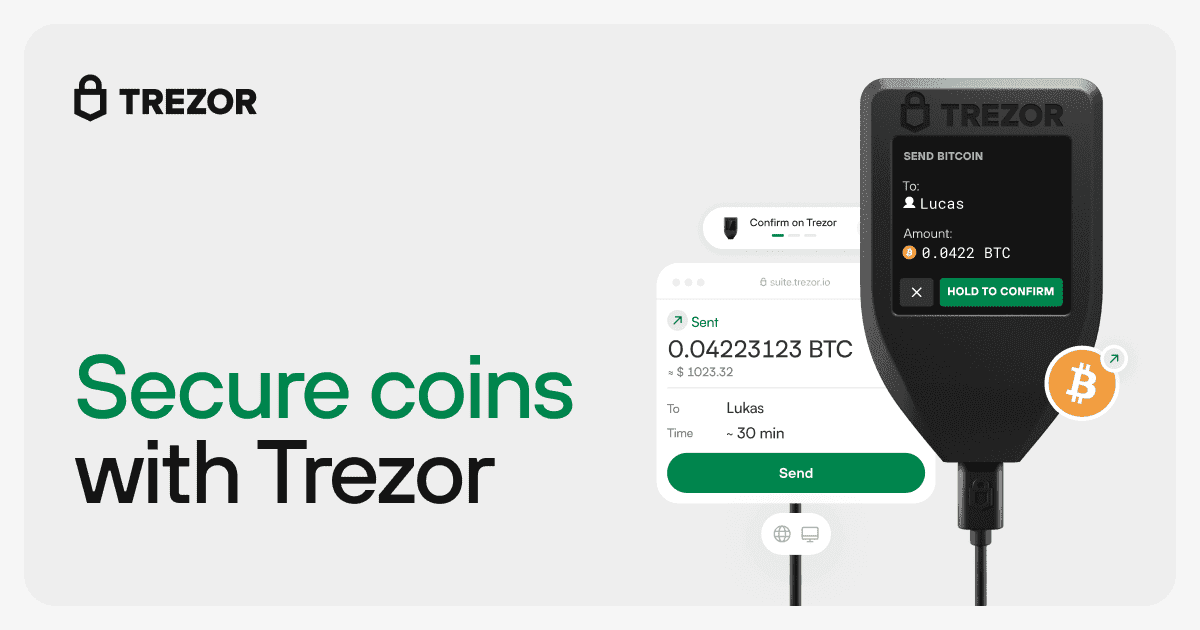
Displaying transaction details on the hardware screen
If you are asked to enter your recovery seed during login, it is a scam.
Firmware Updates and Secure Login
Firmware updates strengthen security and improve compatibility. When updating:
Always verify actions on the device
Never disconnect mid-update
Funds remain safe when instructions are followed
Regular updates keep your login experience protected.
Best Practices for Safe Trezor Login
Use only official software
Keep your recovery seed hidden and offline
Enable passphrase protection for high-value wallets
Avoid public or shared computers
Verify addresses on the device screen
Keep your device physically secure
Trezor Login vs Online Wallet Login
AspectTrezor LoginOnline WalletKey StorageOfflineOnlinePasswordsNot requiredRequiredPhishing RiskVery lowHighRemote AccessImpossiblePossibleOwnershipFull self-custodyPartial
This difference highlights why hardware wallets are preferred for long-term storage.
Who Benefits Most from Trezor Login?
Trezor login is ideal for:
Long-term investors
High-value holders
Privacy-focused users
Security-conscious traders
Anyone seeking full ownership of crypto assets
Is Trezor Login Beginner-Friendly?
Yes. Despite its advanced security design, Trezor offers a guided and intuitive login experience. Clear instructions and visual confirmations make it accessible even to users new to cryptocurrency.
Final Thoughts: Why Trezor Login Is a Smart Choice
The Trezor login system reflects the core principles of cryptocurrency: decentralization, self-custody, and security. By removing reliance on online credentials and centralized services, Trezor empowers users to protect their assets independently.