Trezor Login: Complete Guide to Secure Access and Crypto Wallet Management
In the rapidly evolving world of cryptocurrency, security is not optional—it is essential. With increasing adoption of digital assets, protecting private keys and ensuring safe access to crypto wallets has become a top priority for investors and traders alike. This is where Trezor, one of the world’s most trusted hardware wallet providers, plays a critical role. Understanding the Trezor login process is fundamental for anyone using a Trezor wallet to manage, store, and safeguard digital assets.
This comprehensive guide explains everything you need to know about Trezor login, including how it works, step-by-step access instructions, common login issues, best security practices, and how Trezor keeps your assets safe from online threats.
What Is Trezor?
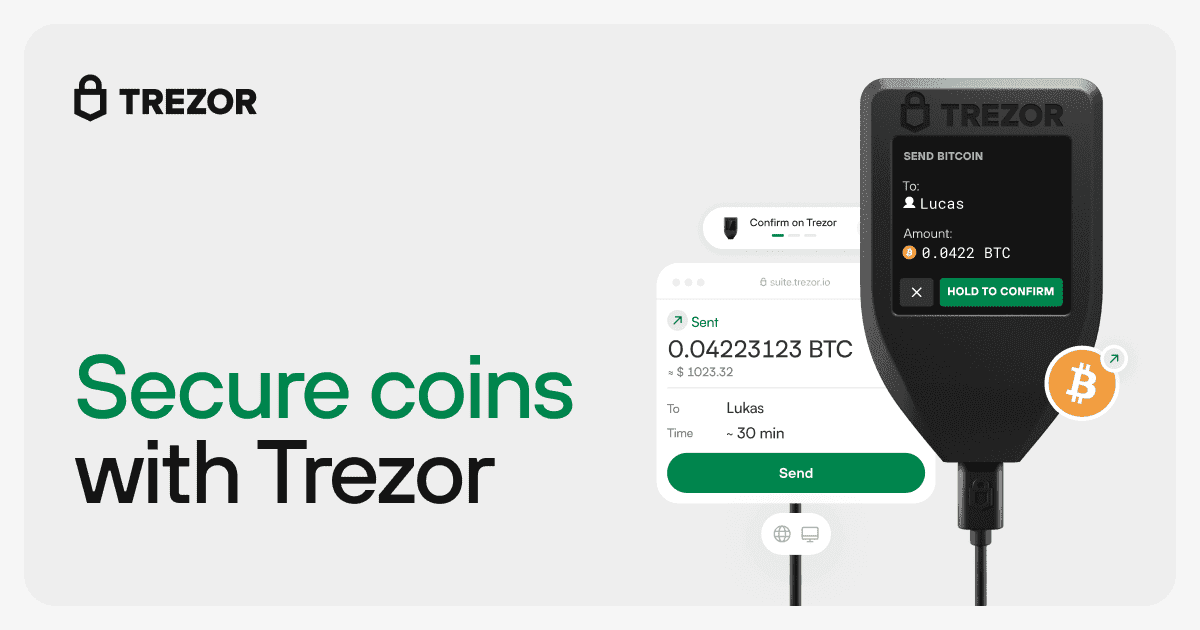
Trezor is a hardware wallet developed by SatoshiLabs that allows users to store cryptocurrencies offline. Unlike software wallets that remain connected to the internet, Trezor devices store private keys in a secure physical device, minimizing exposure to hacking, malware, and phishing attacks.
Trezor supports a wide range of cryptocurrencies, including Bitcoin, Ethereum, Litecoin, Cardano, and many ERC-20 tokens. Access to these assets is managed through Trezor Suite, the official desktop and web interface.
Understanding Trezor Login
Unlike traditional accounts that use usernames and passwords, Trezor does not use a conventional login system. There is no email-based account, no centralized server login, and no password stored online. Instead, Trezor login is based on physical device authentication combined with cryptographic security.
To “log in” to Trezor, you must:
Physically connect your Trezor device
Verify access on the device screen
Enter your PIN (and optional passphrase)
This design ensures that only the person holding the device can access the wallet.
How Trezor Login Works
Trezor login relies on three primary security layers:
Physical Device Ownership
You must have the Trezor hardware wallet in your possession.PIN Protection
A numeric PIN prevents unauthorized access if the device is lost or stolen.Optional Passphrase
An additional layer that creates hidden wallets for advanced users.
Because private keys never leave the device, logging in does not expose sensitive data to the computer or browser.
Step-by-Step Trezor Login Process
Step 1: Connect Your Trezor Device
Plug your Trezor Model One or Model T into your computer or mobile device using a USB cable.
Step 2: Open Trezor Suite
Launch the Trezor Suite application or access the official web interface. This is the main platform where you manage your wallet, view balances, and send or receive crypto.
Step 3: Verify the Device
Trezor Suite will detect your device and ask you to confirm the connection. This ensures you are interacting with a genuine Trezor wallet.
Step 4: Enter Your PIN
The PIN entry is randomized on your computer screen, while you confirm the pattern on your Trezor device. This prevents keylogging attacks.
Step 5: Enter Passphrase (If Enabled)
If you use a passphrase, you’ll be prompted to enter it. Each unique passphrase opens a separate wallet.
Step 6: Access Your Wallet
Once authenticated, you gain access to your crypto dashboard and can manage assets securely.
Trezor Suite and Login Experience
Trezor Suite is designed to be user-friendly while maintaining advanced security standards. Through the Suite, users can:
Check portfolio balances
Send and receive cryptocurrencies
Exchange crypto assets
Track market prices
Manage device settings
Update firmware
The login process integrates seamlessly into this interface, ensuring security without complexity.
Why Trezor Login Is More Secure Than Traditional Logins
Traditional online wallets rely on:
Email addresses
Passwords
Two-factor authentication stored on servers
Trezor eliminates these risks by:
Keeping private keys offline
Avoiding centralized databases
Requiring physical confirmation for every action
This approach dramatically reduces the risk of hacking, phishing, and unauthorized access.
Common Trezor Login Issues and Solutions
Device Not Detected
Try a different USB cable or port
Restart Trezor Suite
Use a supported browser or desktop app
Incorrect PIN Entered
After multiple failed attempts, the device enforces time delays
Reset the device only if you have your recovery seed
Forgotten PIN
You must reset the device and restore it using your recovery seed
Passphrase Issues
Passphrases are case-sensitive
Losing a passphrase means losing access to that specific wallet
The Role of the Recovery Seed in Login
When setting up Trezor, users receive a recovery seed—a list of 12, 18, or 24 words. This seed is the ultimate backup.
If your device is lost or damaged:
You can restore your wallet on a new Trezor device
The recovery seed recreates all wallets and balances
Important: Never enter your recovery seed on any website or share it with anyone.
Best Practices for Secure Trezor Login
Always access Trezor Suite from the official source
Keep your device firmware updated
Store your recovery seed offline in a secure location
Enable passphrase protection for advanced security
Never connect your Trezor to unknown or untrusted computers
Trezor Login vs Software Wallet Login
FeatureTrezor LoginSoftware Wallet LoginPrivate Key StorageOfflineOnlinePhysical Device RequiredYesNoPhishing RiskExtremely LowHighRecovery MethodSeed PhraseEmail / CloudSecurity LevelVery HighModerate
This comparison highlights why many long-term investors prefer Trezor.
Is Trezor Login Suitable for Beginners?
Yes. Despite its advanced security, Trezor is beginner-friendly. The login process is guided, visual, and simple. Even users new to crypto can safely access their assets without technical expertise.
Mobile and Browser Compatibility
Trezor login works on:
Windows, macOS, Linux (via Trezor Suite)
Supported browsers for web access
Android devices (limited support)
Mobile users benefit from the same security standards as desktop users.
Avoiding Phishing During Trezor Login
Scammers often create fake “Trezor login” pages asking for recovery seeds. Remember:
Trezor will never ask for your seed online
Login always requires your physical device
Seed entry happens only during recovery, not routine login
Being aware of these facts protects you from scams.
Updating Firmware and Login Safety
Firmware updates enhance security and functionality. During updates:
Always verify actions on the device screen
Never disconnect during installation
Updates do not affect your wallet data when done correctly
Regular updates ensure your login process remains protected against new threats.
Who Should Use Trezor Login?
Trezor is ideal for:
Long-term crypto holders
High-value investors
Privacy-focused users
Traders managing multiple assets
Anyone prioritizing security over convenience
Final Thoughts on Trezor Login
The Trezor login process represents a gold standard in cryptocurrency security. By removing dependence on traditional logins and placing control directly in the user’s hands, Trezor ensures that digital assets remain protected from online risks.
With its device-based authentication, PIN protection, optional passphrase security, and recovery seed backup, Trezor provides peace of mind for anyone serious about crypto ownership. Whether you are a beginner or an experienced investor, understanding how Trezor login works empowers you to manage your assets confidently and securely.