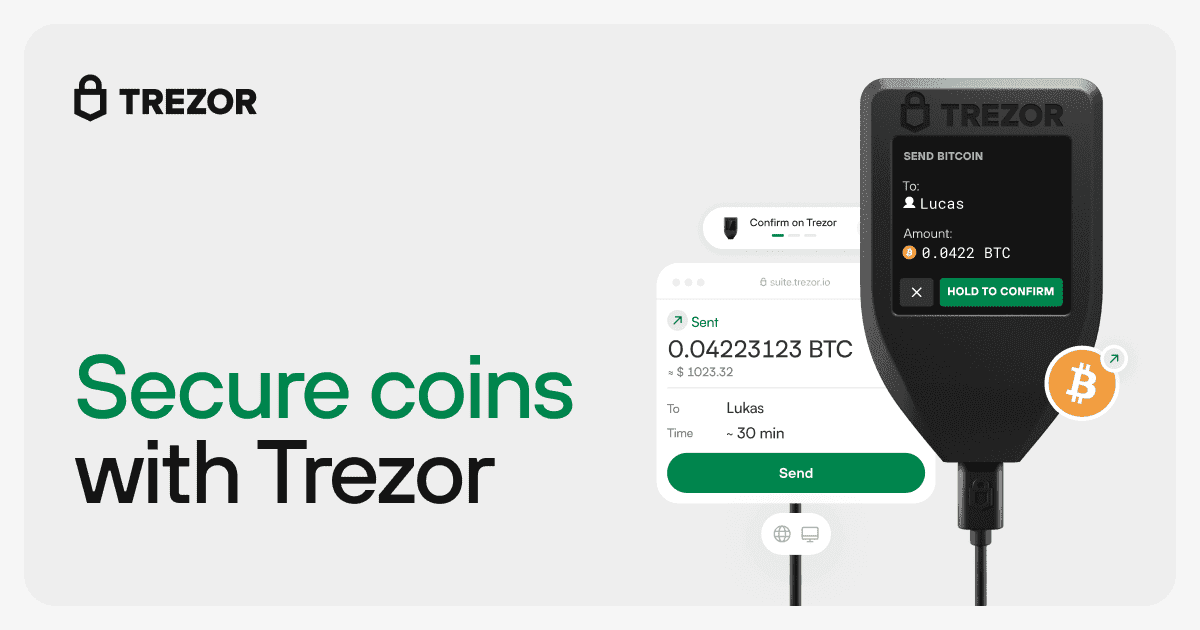
Trezor Login Guide: Safe and Private Access to Your Digital Currency
With the rapid growth of cryptocurrency usage, protecting digital assets has become more important than ever. While online wallets and exchanges offer convenience, they also expose users to security risks such as hacking, phishing scams, and data breaches. To overcome these challenges, many crypto holders turn to hardware wallets. One of the most trusted solutions in this space is Trezor. Understanding the Trezor login process is essential for securely accessing and managing your cryptocurrency holdings.
This guide explains what Trezor login means, how it works, how to access your wallet safely, common login challenges, and best practices for maintaining long-term security.
Overview of Trezor Hardware Wallets
Trezor is a hardware wallet developed by SatoshiLabs, designed to store cryptocurrency private keys offline. Unlike web-based wallets, Trezor keeps sensitive information isolated from internet-connected devices, drastically reducing exposure to cyber threats.
Trezor supports a wide range of cryptocurrencies and tokens, making it a popular choice for both beginners and experienced investors who value security and ownership.
What Does “Trezor Login” Mean?
Trezor login does not function like a traditional login system. There is no username, password, or email-based account. Instead, login refers to the secure process of unlocking and accessing your wallet using the physical Trezor device.
To log in, you must:
Physically connect the Trezor device
Confirm access on the device screen
Enter your PIN and optional passphrase
This approach ensures that access is impossible without the hardware wallet.
Why Trezor Does Not Use Traditional Logins
Traditional wallets rely on centralized systems where credentials are stored online. These systems are vulnerable to leaks and attacks. Trezor avoids these risks by eliminating online authentication entirely.
Key differences include:
No password storage
No cloud-based login
No centralized servers controlling access
All authentication happens locally and securely on the device itself.
How the Trezor Login System Works
The Trezor login process is built around strong security principles:
Physical Authentication
Only users with the actual device can access the wallet.
PIN Protection
A numeric PIN prevents unauthorized access if the device is lost or stolen. The PIN entry system is randomized to prevent keylogging.
Passphrase Layer (Optional)
Passphrases create additional wallets linked to the same recovery seed, offering enhanced privacy and protection.
Offline Private Keys
Private keys never leave the device and are never exposed to the computer or browser.
Step-by-Step Process to Access Trezor Wallet
Step 1: Connect the Device
Use a USB cable to connect your Trezor wallet to a computer or compatible mobile device.
Step 2: Open Trezor Suite
Launch the official Trezor Suite application, which acts as the interface for managing your wallet.
Step 3: Device Verification
The software identifies your device and confirms its authenticity.
Step 4: Enter Your PIN
A scrambled keypad appears on your screen. You match it with the pattern shown on the device.
Step 5: Enter Passphrase (If Enabled)
If passphrase protection is active, input it carefully. Each passphrase unlocks a separate wallet.
Step 6: Wallet Access
Once verified, you can view balances, send or receive assets, and manage supported cryptocurrencies.
Understanding Trezor Suite
Trezor Suite is the official software companion for Trezor wallets. It provides a secure and user-friendly environment for managing crypto assets.
Features include:
Portfolio overview
Asset transfers
Network fee management
Built-in exchange options
Privacy-enhancing tools
Firmware updates
The login process is fully integrated into this platform.
Supported Platforms and Devices
Trezor login is compatible with:
Windows, macOS, and Linux systems
Supported web browsers
Android devices (limited features)
The security model remains consistent across all platforms.
Common Trezor Login Problems and Solutions
Device Not Detected
Use a different USB cable or port
Restart Trezor Suite
Avoid USB hubs
Incorrect PIN Attempts
Delays increase after each failed attempt
Reset only if you have your recovery seed
Forgotten PIN
Perform a device reset
Restore the wallet using the recovery seed
Lost Passphrase
Passphrases cannot be recovered
Wallet tied to that passphrase becomes inaccessible
Recovery Seed: The Master Key
During initial setup, Trezor generates a recovery seed of 12, 18, or 24 words. This seed allows full recovery of your wallet on a new device.
Important rules:
Store it offline
Never share it
Never enter it on websites
Never store it digitally
The recovery seed is your ultimate backup.
How Trezor Login Prevents Online Scams
Many crypto scams attempt to trick users into revealing sensitive information. Trezor protects users by:
Eliminating online login pages
Requiring physical confirmation for transactions
Displaying transaction details on the device screen
Any request for a recovery seed during login is fraudulent.
Firmware Updates and Secure Access
Firmware updates improve wallet security and compatibility. When updating:
Follow official instructions
Confirm updates on the device
Do not disconnect the device mid-update
Funds remain safe when updates are performed correctly.
Best Practices for Secure Trezor Login
Use official Trezor software only
Keep recovery seed offline and secure
Enable passphrase protection for high-value wallets
Avoid public or shared computers
Verify addresses on the device screen
Keep your hardware wallet physically safe
Trezor Login vs Software Wallet Access
FeatureTrezor LoginSoftware WalletPrivate Key StorageOfflineOnlinePhysical DeviceRequiredNot requiredPassword DependencyNoneRequiredPhishing RiskVery lowHighUser ControlFullLimited
This makes Trezor ideal for secure, long-term storage.
Who Should Use Trezor Login?
Trezor login is suitable for:
Long-term investors
High-value crypto holders
Privacy-conscious users
Traders managing multiple assets
Anyone seeking self-custody
Is Trezor Login Easy for Beginners?
Yes. Trezor is designed with guided instructions and visual confirmations that make the login process straightforward, even for first-time users.
Final Thoughts on Trezor Login
Trezor login represents a modern and secure approach to cryptocurrency access. By removing reliance on online credentials and placing control in the hands of the user, Trezor ensures true ownership of digital assets.